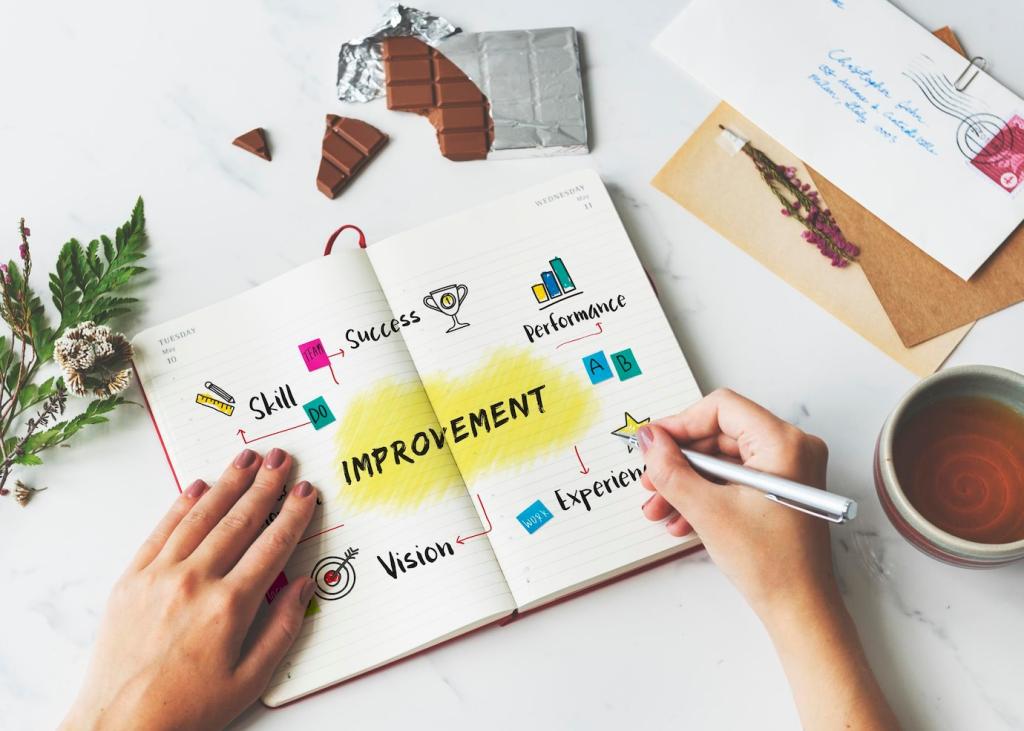
Make Every Day Smarter: Integrating Problem-Solving Techniques into Daily Tasks
Chosen theme: Integrating Problem-Solving Techniques into Daily Tasks. Welcome to a practical, uplifting space where small, smart methods turn everyday chores, choices, and moments into wins. Try the tips, share your results, and subscribe to keep learning new, bite-sized strategies that make ordinary days feel brilliantly designed.
Start Strong: Morning Routines with a Problem-Solving Lens
When your mornings feel rushed, ask “Why?” five times to trace the root cause. Maybe it is not the alarm; it is inconsistent bedtime, or missing prep the night before. Fix the actual bottleneck, then share your before-and-after routine to inspire someone in the comments.
Build a simple decision tree: if time < 5 minutes, choose yogurt and fruit; if 10 minutes, scramble eggs; if you need portable, make overnight oats. Visual rules reduce decision fatigue, keep nutrition consistent, and invite creativity. Screenshot your tree and tag us with your clever branches.
Treat your commute as a design challenge: set constraints like cheapest, fastest, or most focused. Evaluate options using a simple scorecard. One reader, Maya, cut commute stress by prioritizing predictability, then scheduling her audiobook time. Share your scoring criteria and what surprised you.
Workday Flow: Turning Tasks into Mini Puzzles
Create three columns: To Do, Doing, Done. Limit items in Doing to two or three. This gives you focus, faster throughput, and visible progress. Try it for a week, note your cycle time, and tell us which limit felt right for your role and context.
Sort, set in order, shine, standardize, sustain. Label shelves, create a two-minute reset checklist for evenings, and keep donation bags visible. A family in our community reclaimed ten hours per month after standardizing toy cleanup. Post your checklist to help someone else get started tonight.
Failure Mode and Effects Analysis sounds complex, but a simple version works at home. List what often fails, why it fails, and the impact. Rank by risk and preempt problems. After one weekend of analysis, a reader prevented weekly sink clogs with a strainer change. Try it and report back.
Notice how interruptions escalate interruptions. Agree on a hand signal or a note-taking pause to break the loop. One couple reduced arguments by adding a two-minute reflection break. Try a loop-breaker in your next conversation and share how it changed the tone.
Pre-Mortems Before Tough Talks
Imagine the conversation went badly. List reasons why, then design safeguards: clarify intent, set time bounds, ask for examples. Pre-mortems defuse avoidable surprises. After testing this, a manager reported calmer weekly check-ins. Write your pre-mortem plan and comment with one safeguard you will keep.
Assumption Mapping to Avoid Misreads
List what you assume the other person believes, then mark confidence levels. Ask questions to validate or adjust. Misunderstandings shrink when hidden assumptions surface. Try assumption mapping for your next meeting and share a myth you corrected and the result that followed.
Estimate outcomes: probability times payoff. A cheaper tool with high failure risk might cost more long-term. A class with a small chance of big career upside could be worthwhile. Share one decision you recalculated and whether your choice changed after the numbers.
Set a limit before you start: if progress is under a threshold by a certain time, pivot or pause. This prevents sunk cost spirals. A freelancer saved hours weekly by enforcing 90-minute checkpoints. Try a stop-loss tomorrow and report your reclaimed minutes.